ASIC Hardware Assessment
Full bench report covering hash output, junction temperatures, and power draw at 220V — our flagship service for buyers comparing units above the 0.05 TH/s threshold.
Suwon · South Korea · Since 2019
We assess ASIC miners rated at 0.05 TH/s and above, measuring real-world power draw against manufacturer claims so operators can plan rack loads with confidence.
Request an Assessment Browse Hardware GuideEvery unit that passes through our Suwon bench undergoes the same protocol: hash rate verification, wattage profiling under conservative cooling, and acoustic sampling in a controlled enclosure.
Full bench report covering hash output, junction temperatures, and power draw at 220V — our flagship service for buyers comparing units above the 0.05 TH/s threshold.
Standalone wattage analysis for operators who already own hardware and need documented consumption figures for facility planning or utility negotiations.
Vendor-neutral shortlists based on your target hash rate, available amperage, and noise constraints — delivered as a written brief, not a sales pitch.
Recent field notes on hash rate stability, firmware quirks, and cooling trade-offs for conservative power operators.
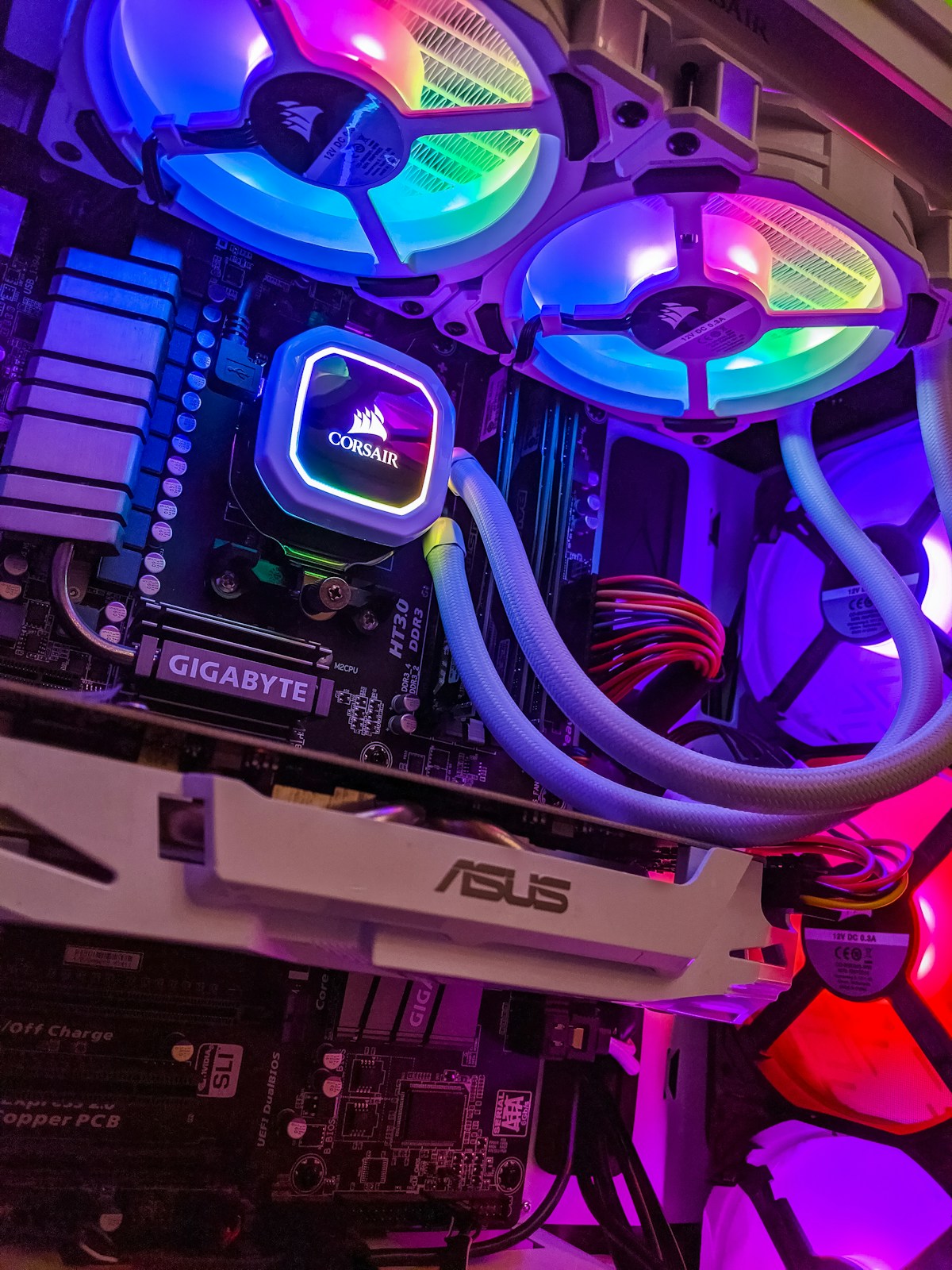
A mismatched power supply is one of the most common reasons ASIC units fail our intake inspection before testing even begins. The unit may hash correctly on a bench PSU, but voltage sag under load produces unstable readings and can damage hash boards over time.
South Korean commercial facilities typically provide 220V single-phase or 380V three-phase depending on the building classification. Most ASIC PSUs shipped to this market accept 200–240V input. Verify the input rating label before connecting — units configured for 110V-only input will not survive Korean mains voltage.

South Korean summers push ambient warehouse temperatures past 30°C in facilities without dedicated HVAC. Operators who chase maximum hash rate through aggressive overclocking often see unit failure rates climb within 18 months. Our assessment practice deliberately uses conservative cooling profiles because most of our clients plan for three-to-five-year hardware lifecycles.
Watts per terahash at stock settings under our cooling profile. This single figure helps compare models with different nominal hash rates on equal footing. An S19j Pro at 29.4 J/TH under our protocol often outperforms an older S17 Pro at 39.4 J/TH, even though both clear the 0.05 TH/s floor comfortably.
Manufacturer datasheets list power consumption under ideal laboratory conditions: 25°C ambient, fresh fans, balanced three-phase input. A warehouse in Hwaseong in August looks nothing like that laboratory.
We connect the ASIC’s power supply directly to a Yokogawa WT310E through a calibrated PDU. Readings are logged every 15 seconds over a minimum four-hour window. Ambient temperature is held at 24°C with intake airflow at 1.2 m/s — deliberately conservative, cooler than most operating environments but warmer than a cold-storage test chamber.
Clients who used our assessments before committing to rack purchases or facility upgrades.
We brought three Antminer S19 variants to Lagoonfield before signing a colocation lease in Gyeonggi. The wattage spreadsheet they produced matched our utility bill within four percent over the first quarter — that alone justified the assessment fee.— Min-jun H., small-scale operator, Yongin
The procurement brief was thorough, though I wish the lead time had been shorter during peak season. Still, we avoided a batch of refurbished units that would have blown our breaker panel.— Sarah L., facility manager, Incheon